

How Fashion Influences Mood & Productivity Lifestyle
How Fashion Influences Mood & Productivity Lifestyle
What you wear doesn’t just change how you look.
It changes how you think.
How you feel.
How you perform.
Fashion isn’t superficial — it’s psychological. The clothes you choose every morning directly influence your mood, energy levels, and productivity throughout the day.
That’s not dramatic. That’s research-backed reality.
If lifestyle is about optimizing how you live, then fashion becomes a daily performance tool — not just an aesthetic choice.
The Science Behind It
There’s a concept called enclothed cognition — the idea that clothing impacts cognitive processes. In simple terms: what you wear affects how your brain functions.
When people wear structured clothing, they often report feeling more focused. When they wear professional attire, performance increases in task-based environments. When they dress intentionally, confidence rises.
Your brain associates certain clothing with certain behaviors.
Blazer = authority.
Athleisure = movement.
Soft loungewear = relaxation.
So when you choose an outfit, you’re subconsciously selecting a mindset.
Mood Starts with Fabric

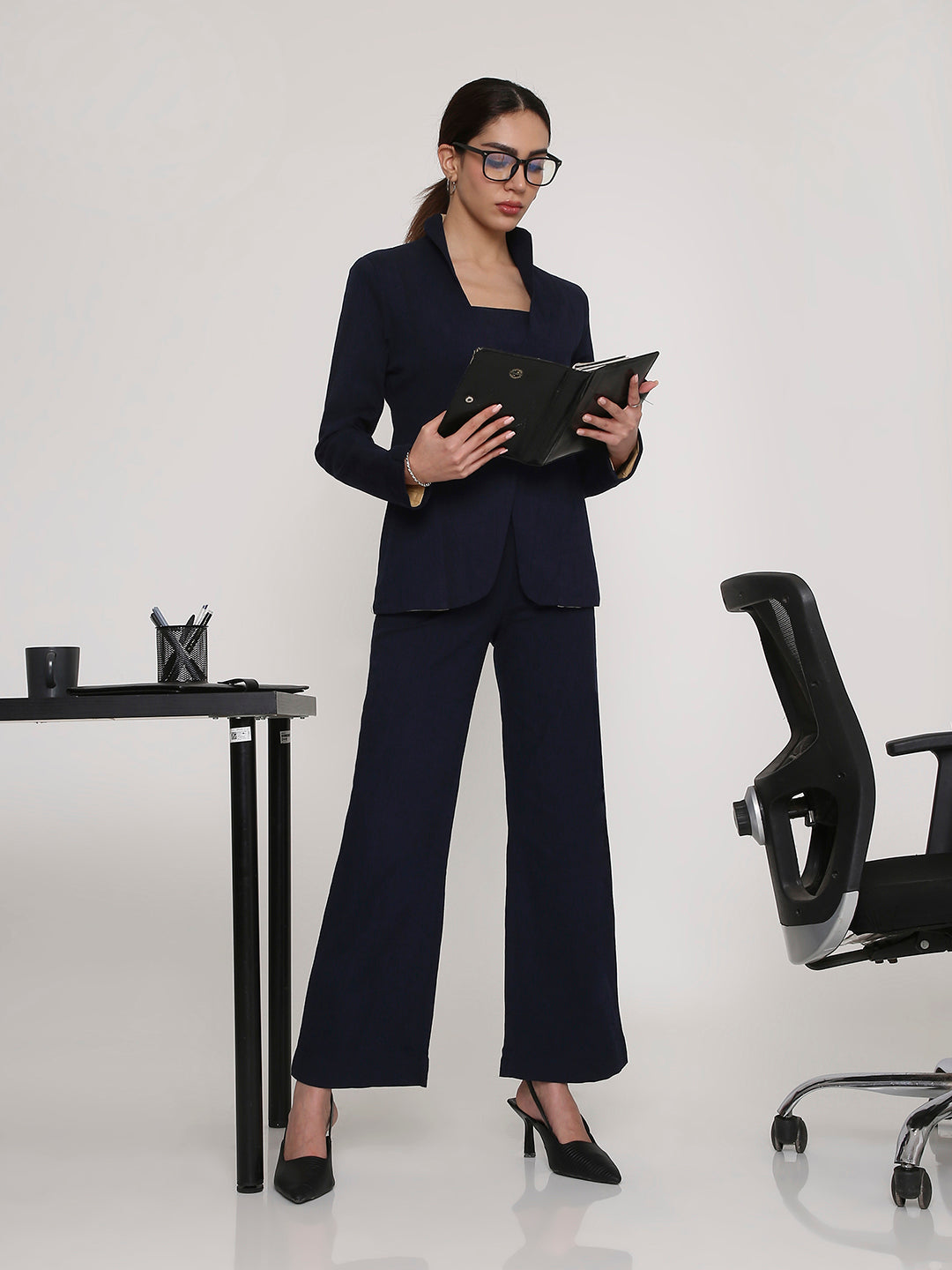


Fabric texture, fit, and color all influence emotion.
Tight, restrictive clothing can increase discomfort and distraction. Breathable fabrics improve ease. Structured silhouettes create alertness. Soft materials promote calm.
Even color psychology plays a role:
• Neutrals create clarity and stability
• Dark tones can feel grounding
• Bright colors can boost energy
• Monochrome styling enhances focus
If your outfit feels chaotic, your mind may mirror that chaos. If your outfit feels intentional, your mood stabilizes.
Fashion becomes emotional regulation — without you even realizing it.
Productivity Is Linked to Identity
Productivity isn’t just about time management. It’s about identity alignment.
When you dress like someone who is disciplined, focused, and intentional, your actions begin to follow that image.
Put on structured trousers and suddenly you sit straighter.
Wear a clean, minimal outfit and your workspace feels more organized.
Choose a polished look and you approach meetings differently.
It’s not magic. It’s psychological reinforcement.
You act in alignment with how you present yourself.
Work-From-Home & Lifestyle Shift
Remote work changed everything.
For many people, productivity dropped when daily dressing habits disappeared. Staying in pajamas blurred the mental line between rest and work.
When you get dressed intentionally — even at home — your brain switches modes.
Outfit change = mental shift.
It doesn’t have to be formal. Even elevated casual pieces like relaxed trousers, clean tees, or structured layers can create that productive mindset.
The key is intention.
Streetwear & Focused Energy
Modern streetwear has also embraced this blend of comfort and authority. Brands like Fear of God Essentials and Uniqlo combine relaxed silhouettes with refined structure.
Oversized, but polished.
Comfortable, but intentional.
Simple, but sharp.
This balance supports productivity because you feel at ease without feeling sloppy.
When comfort and structure coexist, performance improves.
Decision Fatigue & Wardrobe Clarity
Another productivity factor? Decision fatigue.
The more choices you make early in the day, the more mental energy you burn.
A streamlined wardrobe reduces that.
When you own versatile staples that mix easily, getting dressed becomes automatic. You preserve brainpower for actual work.
Minimal wardrobe. Maximum efficiency.
That’s a productivity lifestyle.
Confidence Drives Output
Mood affects motivation. Motivation affects productivity.
If you feel underdressed or uncomfortable, it can lower your confidence subtly. That hesitation shows up in conversations, presentations, and creative work.
But when you feel aligned?
You speak clearer.
You move faster.
You hesitate less.
Clothing doesn’t create skill — but it amplifies energy.
And energy drives output.
Emotional States & Styling
Different days require different energy.
Heavy workload day?
Choose structure, darker tones, minimal distractions.
Creative brainstorming day?
Add texture, softer layers, expressive pieces.
Workout day?
Athleisure activates movement mindset.
You can dress strategically according to the type of productivity you need.
That’s lifestyle optimization through fashion.
Fashion as a Daily Ritual
The simple act of getting dressed intentionally signals self-respect.
It says:
“This day matters.”
“My work matters.”
“I matter.”
That ritual alone boosts mood.
Small daily signals build discipline. And discipline builds long-term growth.
Fashion becomes more than aesthetic — it becomes habit reinforcement.
Alignment Is the Real Secret
At the end of the day, fashion influences mood and productivity because it influences alignment.
When what you wear matches what you’re trying to accomplish, friction decreases.
You don’t feel split between comfort and performance. You feel unified.
And when your external presentation matches your internal goals, productivity feels natural instead of forced.
So tomorrow morning, don’t just grab the first thing you see.
Dress for the energy you need.
Dress for the goals you’re chasing.
Dress for the version of you that’s focused and unstoppable.
Because what you wear doesn’t just decorate your body.
It directs your mindset.
And mindset shapes your lifestyle.